Mystery Box vs Loot Box: What Is the Difference?
Mystery boxes and loot boxes both use random rewards, but they differ in where you buy them and what you win. Here is a clear 2026 breakdown of both.

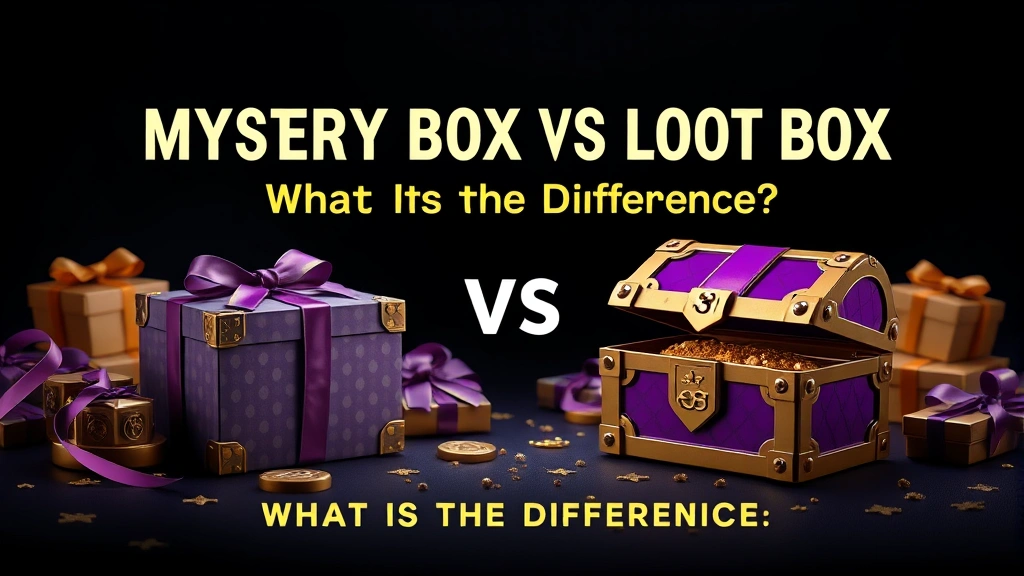
Mystery box vs loot box: what is the difference?
The key difference is where the randomness lives. A mystery box is usually a standalone e-commerce or iGaming product sold on sites like HypeDrop, Jemlit, Rillabox, or TroveDrops, and it often ends in a shipped physical item or a cashable asset. A loot box is a random-reward purchase inside a game, such as CS2 cases or FIFA packs, and it usually delivers account-bound virtual items.
What is a mystery box?
A mystery box is a sealed or digital package with randomized contents that you buy on its own, outside of any game. Providers publish the possible prizes and the odds of pulling each one. Outcomes are typically physical goods that ship to you or a tradable value you can sell back to credit.
- Sold on dedicated marketplaces, not inside a title you play.
- Prizes can include tech, sneakers, luxury goods, and collectibles.
- Reputable operators disclose odds and let you verify each draw.
You can see this model in practice by browsing the full lineup and per-box odds at TroveDrops boxes.
What is a loot box?
A loot box is a random-reward container purchased or earned inside a video game. Examples include CS2 cases, FIFA Ultimate Team packs, and Apex Packs. The reward is almost always a virtual, account-bound item such as a skin, card, or cosmetic that lives in your game account rather than arriving as a real-world product.
For a broader background on the mechanic and its history, see Wikipedia's overview of loot boxes.
How do the rewards and payouts compare?
The clearest split is what you walk away with. Mystery boxes lean toward outcomes you can hold, ship, or convert to value. Loot boxes lean toward in-game content.
- Mystery box: often a shipped physical item, or a tradable asset you can sell back for site credit.
- Loot box: usually an account-bound virtual item that stays inside the game.
- Where you buy: mystery boxes on standalone marketplaces; loot boxes inside a game client or store.
If you want game-themed rewards without leaving the mystery-box format, the Gamer Loot+ box collects gaming gear and tech with published odds.
Why is the difference trending in 2026?
Regulators have tightened scrutiny on both formats, which is why the comparison keeps coming up in 2026.
- The UK's ASA began actively monitoring loot-box advertising in May 2026.
- PEGI moved to a minimum 16 rating for games with loot boxes or other paid random items.
- Brazil's new child-safety law is set to ban loot-box sales to minors starting March 2026.
At the collectibles end, blind boxes have surged worldwide, with one 2026 report saying the market has already surpassed $11 billion, led by brands such as Pop Mart. The legal risk is generally higher when prizes are cashable, shippable, or marketed with gambling-like mechanics than when they are simply sealed collectible toys.
How do you know a mystery box is fair?
Fairness comes down to two things: published odds and the ability to verify each draw. A trustworthy operator shows the full prize pool, states the probability of each outcome, and lets you confirm that a result was not altered after the fact.
TroveDrops uses a provably-fair system so you can independently check every open, and every box lists its odds on the boxes page before you buy. Choose operators that make this transparency easy to find.
Guides FAQ
Is a mystery box the same as a loot box?
No. Both use random rewards, but a mystery box is a standalone product sold outside of games and often ships a real item, while a loot box is a random reward bought inside a game and is usually an account-bound virtual item.
Are mystery boxes and loot boxes gambling?
It depends on the jurisdiction and mechanics. Regulators treat formats with cashable, shippable, or gambling-like prizes more strictly, which is why odds disclosure and provably-fair verification matter.
Can you get real physical items from a mystery box?
Yes. Reputable mystery-box sites like TroveDrops ship the physical prize you win, or let you sell it back for site credit instead.
What changed for loot boxes in 2026?
The UK's ASA began monitoring loot-box ads in May 2026, PEGI set a minimum 16 rating for games with paid random items, and Brazil's law banning loot-box sales to minors takes effect in March 2026.
See the odds for yourself
Every TroveDrops box shows its exact item odds and values before you open, and every result is provably fair.
Browse boxesDaniel breaks down the cryptography behind provably-fair systems and shows readers how to verify an outcome themselves rather than taking a site’s word for it.