Mystery Box vs Loot Box: Key Differences Explained
Mystery boxes are physical collectibles you buy outright, while loot boxes are in-game digital rewards. Learn the key differences in odds, regulation, and resale value.

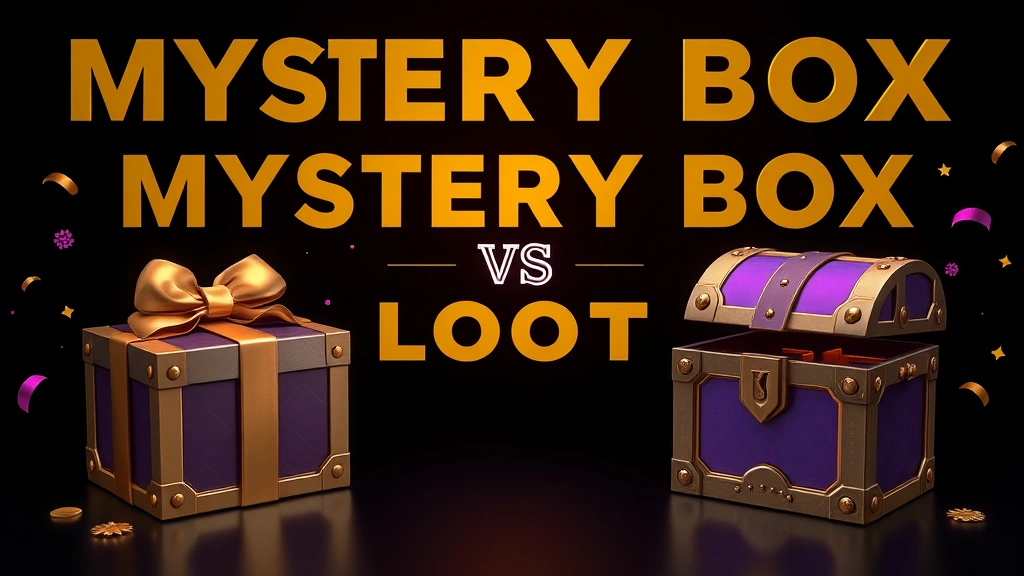
What is the difference between a mystery box and a loot box?
A mystery box is a physical, standalone purchase, such as a Pop Mart Labubu blind box, containing a random collectible you can hold, trade, or resell. A loot box is a randomized digital reward sold inside a video game, like Counter-Strike skins or FIFA Ultimate Team packs, tied to your game account. The core difference is tangibility and ownership: physical versus digital, resellable versus account-locked.
How do physical mystery boxes work in practice?
Physical mystery boxes are sold as sealed products with fixed odds printed on the packaging or published online. For example, Pop Mart's Labubu standard series commonly offer regular figures at roughly 1-in-12 odds and secret "chase" figures around 1-in-72, with rare resale prices reportedly reaching four figures. The wider blind-box market is projected to exceed RMB110 billion (about US$15.3 billion) in 2026, driven by lines like Crybaby, Skullpanda, Hirono, Hacipupu, Smiski, and Sonny Angel.
Because the item is physical, you own it outright. You can display it, trade it, or sell it on secondary markets. That tangibility is the main draw for collectors.
How do loot boxes differ in ownership and resale?
Loot boxes grant digital items that usually remain locked to your game account. Counter-Strike skins can be traded on some platforms, but many in-game cosmetics cannot be resold or cashed out. This account-bound nature is central to the regulatory debate: Belgium and the Netherlands treat some paid loot box systems as gambling, and PEGI's 2026 rules reportedly apply a minimum 16 rating to games submitted with paid random items.
Age protection, odds disclosure, resale rights, and cash-out rules are therefore more contentious for loot boxes than for physical mystery boxes.
What do mystery boxes and loot boxes have in common?
Both rely on the anticipation of an unknown reward. The psychological mechanism, a randomized payout with a chance of a rare item, is similar. The difference lies in what you receive and what you can do with it.
For collectors who want transparency, understanding how mystery box odds work is essential. Reputable platforms publish odds and let you verify fairness, which is less common in traditional loot boxes.
How does TroveDrops fit into this comparison?
TroveDrops operates as a physical mystery box platform for tech, sneakers, and collectibles. Every box lists its odds, and outcomes are provably fair, meaning you can independently verify each draw. You can browse boxes and odds before buying, or start with Gamer Loot+ for gaming-themed gear. Fairness is verifiable via our provably fair system, and you can read more about provably fair mystery boxes and whether mystery box sites are legit.
Which model is better for collectors and gamers?
It depends on your goal. If you want a tangible item you can hold, trade, or resell, a physical mystery box is the better fit. If you want in-game cosmetics for a specific title, a loot box serves that purpose, though with less ownership flexibility.
For a deeper comparison, see our guide on the mystery box vs loot box difference. Always check odds and fairness before spending.
Guides FAQ
Are mystery boxes the same as loot boxes?
No. Mystery boxes are physical products containing random collectibles, while loot boxes are digital rewards sold inside video games. The key difference is tangibility and resale rights.
Are loot boxes considered gambling?
In some jurisdictions, yes. Belgium and the Netherlands treat certain paid loot box systems as gambling, and PEGI's 2026 rules apply a minimum 16 rating to games with paid random items.
Can I resell items from a mystery box?
Yes, physical items from mystery boxes are yours to keep, trade, or resell. Loot box items are often locked to your game account and cannot be resold.
How does TroveDrops ensure fairness?
TroveDrops publishes odds for every box and uses a provably fair system that lets you verify each draw independently. You can check the fairness of any box before purchasing.
See the odds for yourself
Every TroveDrops box shows its exact item odds and values before you open, and every result is provably fair.
Browse boxesDaniel breaks down the cryptography behind provably-fair systems and shows readers how to verify an outcome themselves rather than taking a site’s word for it.